Waukesha engines service manuals PDF
12 manuals
Manuals & documents (12)
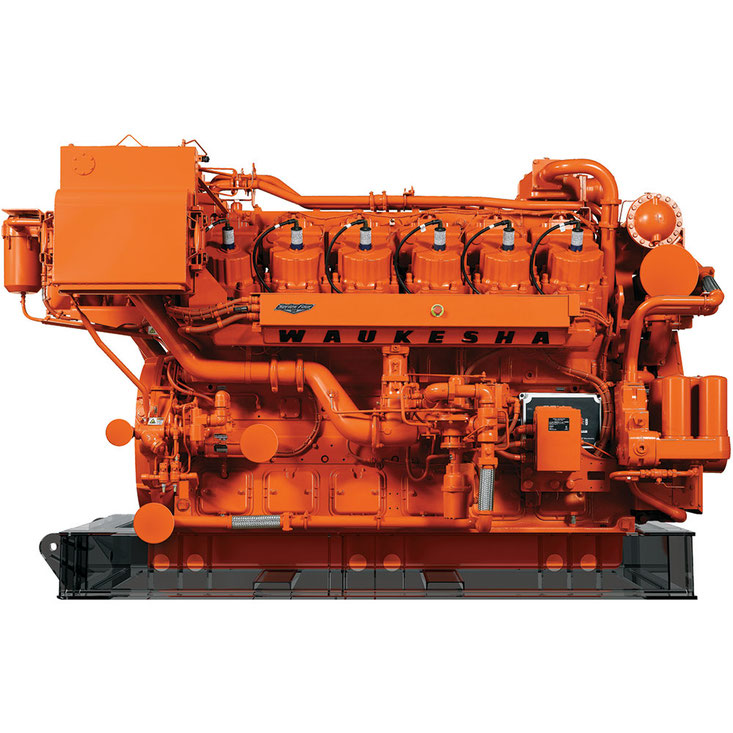
Waukesha engines are used as generator sets or compressor and pump stations and can operate on a wide range of gaseous fuels: associated (including heavy), natural, trash and other types of gases such as propane, biogas, sewage gas, gas from organic waste. Gas piston generating sets, gas compressor systems, cogenerators and mechanical devices are produced in the range of power from 140 to 3250 kW.
Waukesha engines have a high resource until the first overhaul - up to 80 thousand hours. And the full engine resource exceeds 250 thousand hours. The company's specialists have access to all updates to the maintenance and repair manuals issued by the manufacturer, which allows high-level maintenance of the main models of manufactured modifications of Waukesha engines.
All modern Waukesha gas piston engines are equipped with a reliable and easy-to-operate Engine System Manager (ESM) control system, which includes elements such as ignition timing, turbocharger, speed, start-stop, knock detection, diagnostic tools, fault detection, etc. ESM optimizes engine performance and maximizes uptime.
To carry out diagnostic and repair work, on-site teams of specialists are formed. Repair teams are equipped with sets of measuring and repair tools and special devices that provide high-quality and high-performance work on disassembling the engine, troubleshooting parts, its repair and assembly.
Waukesha engines are reliable and economical. They are indispensable for long-term non-stop operation in severe weather conditions. At the same time, the plants operate in continuous operation up to 99% of the total time - they are stopped only for short-term preventive maintenance. And the rest of the time, service engineers can remotely control and diagnose the engine using automated control systems for monitoring the operation of the installation and fuel combustion, and transmitting data via RS232 channels, telephone, radio relay, and satellite channels.